
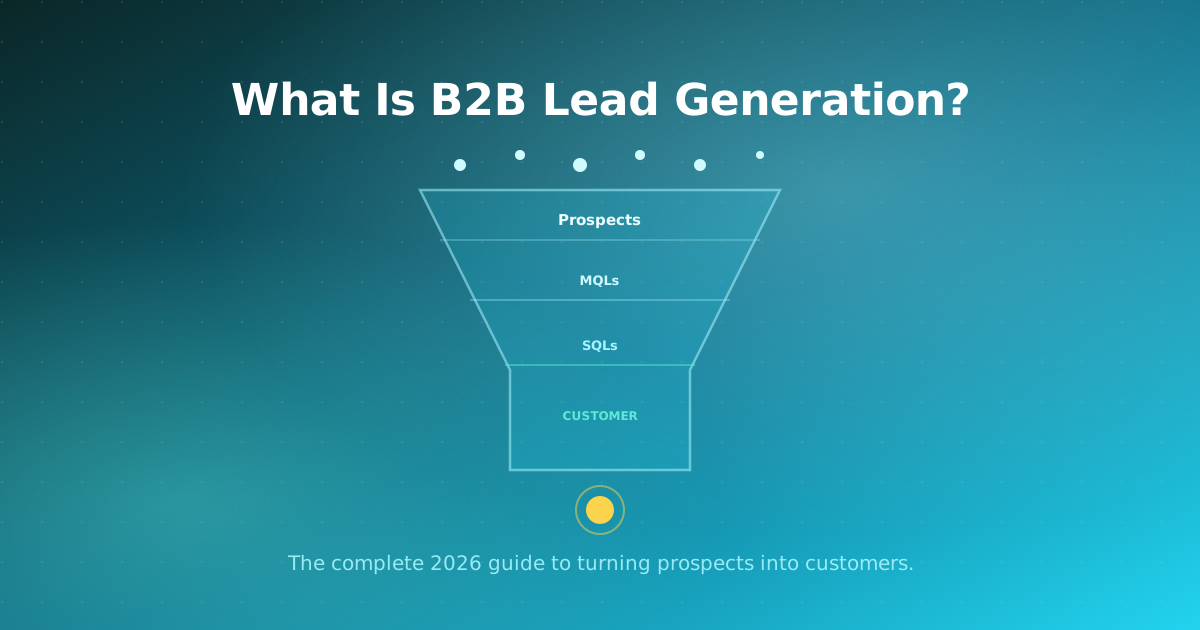
What Is B2B Lead Generation?
B2B (Business-to-Business) lead generation is the process of identifying, attracting, and engaging potential business customers who are likely to purchase your products or services. Unlike B2C marketing, where businesses sell directly to consumers, B2B lead generation focuses on connecting with decision-makers such as CEOs, Marketing Directors, Sales Managers, IT Managers, Procurement Heads, and other professionals within organizations.
The goal is not just to collect contact information but to build relationships with qualified prospects who have a genuine interest in your offerings. With accurate business data, targeted marketing, and personalized outreach, businesses can create a predictable sales pipeline and improve revenue growth.
Why Is B2B Lead Generation Important?
In today's competitive marketplace, finding the right prospects is more challenging than ever. Effective B2B lead generation helps businesses:
- Reach the right decision-makers.
- Increase qualified sales opportunities.
- Improve marketing ROI.
- Shorten the sales cycle.
- Build a predictable sales pipeline.
- Reduce customer acquisition costs.
- Increase business revenue through targeted marketing.
Companies that invest in structured lead generation strategies often experience higher conversion rates because they focus on quality rather than quantity.
How Does B2B Lead Generation Work?
A successful B2B lead generation process typically follows these steps:
1. Identify Your Ideal Customer Profile (ICP)
Define the characteristics of your ideal customers, including industry, company size, location, job title, revenue, and technology stack.
2. Build Targeted Prospect Lists
Use verified B2B databases to create accurate lists of businesses and decision-makers that match your target audience.
3. Verify and Enrich Data
Ensure contact information is accurate by validating email addresses, phone numbers, company details, and professional roles.
4. Launch Multi-Channel Campaigns
Reach prospects through email marketing, LinkedIn, content marketing, paid advertising, webinars, and outbound sales.
5. Qualify Leads
Evaluate prospects based on interest, engagement, company fit, and buying intent to prioritize sales efforts.
6. Nurture Prospects
Share valuable content, case studies, and personalized communication to build trust until prospects are ready to buy.
7. Convert Into Customers
Once qualified, the sales team engages prospects through meetings, product demonstrations, and proposals to close deals.
Types of B2B Leads
Marketing Qualified Leads (MQL)
Prospects who have shown interest by downloading resources, subscribing to newsletters, or engaging with marketing campaigns.
Sales Qualified Leads (SQL)
Leads that have been evaluated by the sales team and are ready for direct sales conversations.
Product Qualified Leads (PQL)
Users who have experienced your product or service through free trials or demos and show strong buying intent.
Top B2B Lead Generation Strategies
Content Marketing
Create informative blogs, guides, whitepapers, and case studies that solve customer problems and establish industry expertise.
Search Engine Optimization (SEO)
Optimize your website and content to rank for relevant keywords and attract organic traffic from businesses actively searching for solutions.
Email Marketing
Send personalized email campaigns using verified business contact data to nurture prospects and drive engagement.
LinkedIn Marketing
Build relationships with decision-makers through professional networking, thought leadership, and targeted outreach.
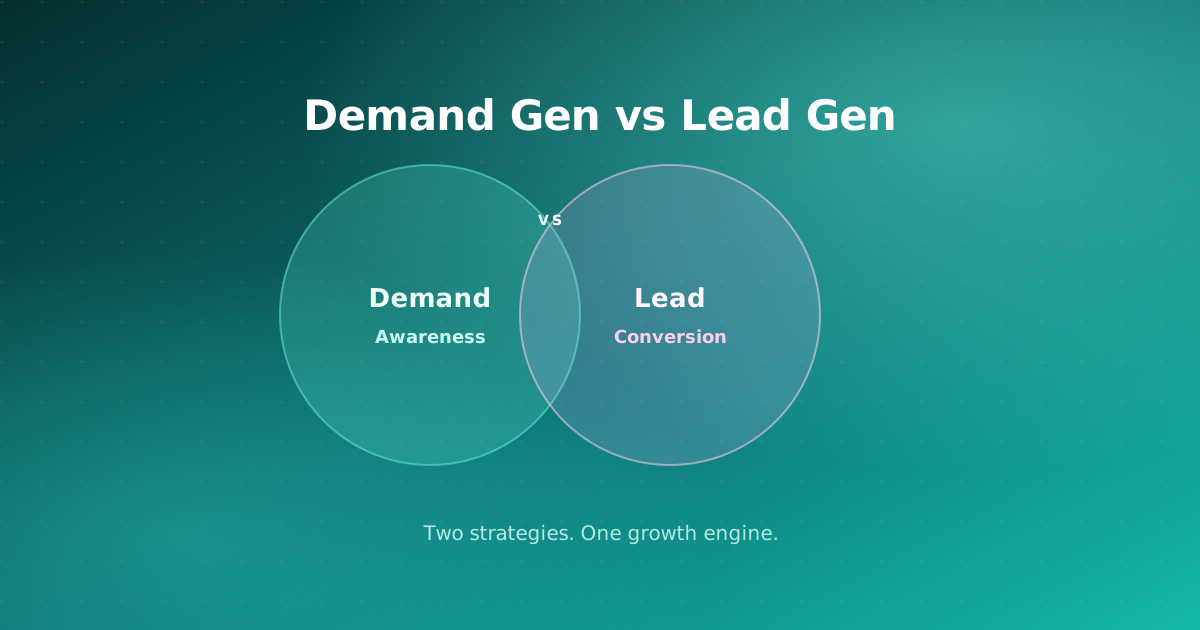
Demand Generation
Generate awareness through educational content, webinars, events, and targeted campaigns before prospects enter the buying stage.
Paid Advertising
Use Google Ads and LinkedIn Ads to reach high-intent audiences and drive qualified traffic to your landing pages.
Appointment Setting
Schedule meetings with qualified prospects through personalized outreach and dedicated sales development efforts.
Common Challenges in B2B Lead Generation
Many organizations struggle with:
- Outdated contact databases.
- Low-quality leads.
- Poor email deliverability.
- Limited buyer intent insights.
- Ineffective audience segmentation.
- Long sales cycles.
- Low campaign response rates.
Addressing these challenges requires reliable data, continuous verification, and a well-planned lead generation strategy.
Best Practices for Successful B2B Lead Generation
- Define a clear Ideal Customer Profile (ICP).
- Use verified and regularly updated business data.
- Segment audiences based on industry, company size, and job roles.
- Personalize email and outreach campaigns.
- Combine SEO, content marketing, and outbound strategies.
- Track campaign performance using analytics.
- Continuously enrich and validate customer data.
- Align marketing and sales teams around shared goals.
How Data Marketics Helps Businesses Generate Qualified Leads
Data Marketics provides comprehensive B2B data solutions designed to help businesses identify and connect with the right prospects. Our services include:
- Verified B2B Email Database
- Demand Generation
- B2B Lead Generation
- Intent Data Solutions
- Data Enrichment
- Appointment Setting
- Content Syndication
- Industry-Specific Business Data
By combining accurate business intelligence with targeted marketing strategies, we help organizations improve campaign performance, increase qualified leads, and accelerate revenue growth.
Conclusion
B2B lead generation is the foundation of sustainable business growth. By combining accurate business data, strategic marketing, and personalized outreach, organizations can attract qualified prospects, strengthen customer relationships, and increase sales opportunities.
Whether your goal is to build a stronger sales pipeline, improve campaign ROI, or connect with decision-makers across industries, investing in an effective B2B lead generation strategy can deliver long-term results.
If you're looking for verified business data and proven lead generation solutions, Data Marketics can help you reach the right audience and accelerate your business growth.
How Data Marketics can help


Join the conversation
Leave a comment
Have a question about this article, or something to add? Your comment goes directly to the Data Marketics team by email — it is not published on the page — and we reply to the address you leave.